
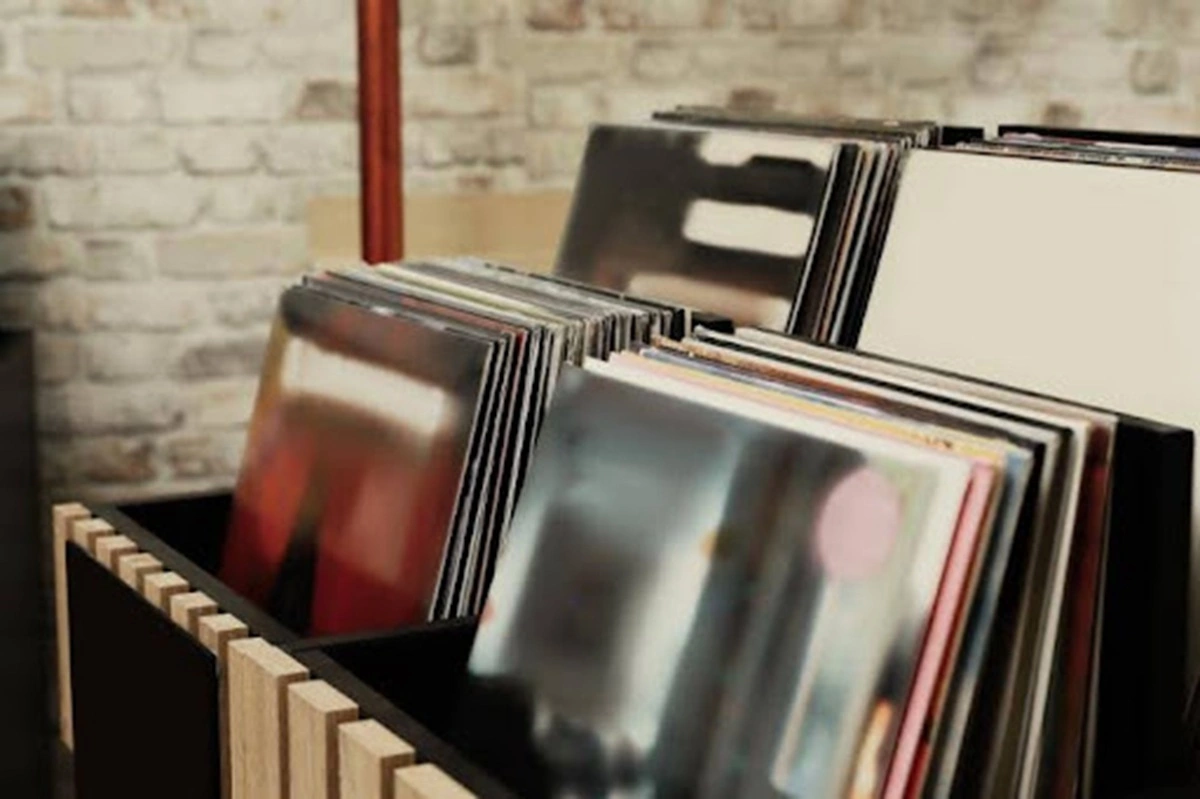
Hip-hop has always been about ownership of stories, of culture, of sound. For many fans, that ownership extends beyond streaming libraries and into physical collections. Crates of classic boom-bap pressings, limited-edition mixtapes, underground releases, and reissues sit proudly in living rooms and studios alike.
But vinyl records are more than memorabilia. They are physical objects that react to heat, pressure, dust, and time. Without proper storage, even a prized first pressing can warp, scratch, or degrade.
If you’re serious about preserving your hip-hop collection, whether it’s golden-era staples or contemporary releases, understanding how to store vinyl records properly is essential. Here’s how to protect your investment and keep your records sounding the way they were meant to.
One of the most common mistakes collectors make is stacking records horizontally. While it might seem harmless, stacking places uneven pressure on the discs. Over time, that pressure can cause warping, particularly in warmer environments.
Instead, always store vinyl records upright, like books on a shelf. Vertical storage distributes weight evenly and prevents unnecessary stress on the grooves. Use sturdy shelving that supports the full height of the record. If records lean too far to one side, they can also warp, so avoid leaving shelves half-empty without support.
For larger hip-hop collections, especially those that grow quickly with new drops and reissues, consider modular shelving that allows you to expand without overcrowding. Tight packing can create pressure, while too much space allows records to tilt.
Vinyl is sensitive to heat. Leave a record near a radiator, in direct sunlight, or in a hot car, and it can warp permanently. Even minor temperature fluctuations can affect the shape of the disc over time.
Aim to store your collection in a cool, stable environment. Avoid attics, basements with moisture issues, or rooms that experience extreme temperature swings. Consistency matters more than exact numbers. A steady room temperature with moderate humidity is ideal.
Humidity also plays a role in preserving album covers and inserts. Excess moisture can lead to mold or sleeve damage. If your collection lives in a studio space or apartment without climate control, a basic dehumidifier can help maintain balance.
Hip-hop collectors often value original artwork and liner notes just as much as the audio itself. Protecting those materials requires the same attention to environmental stability as the vinyl inside.
The sleeve is your record’s first line of defense. Paper inner sleeves can create static and surface scuffs over time. Upgrading to anti-static inner sleeves reduces friction and minimizes dust attraction.
Outer sleeves are equally important. Clear protective sleeves shield album covers from shelf wear, ring wear, and accidental spills. If you frequently pull records out for listening sessions or DJ practice, outer sleeves help maintain the condition of the jacket.
For collectors who prioritize condition and accurate grading, sourcing well-preserved records from trusted specialists matters.
Retailers such as Evergreen Vinyl focus on curated selections and careful handling, which helps ensure records arrive in the condition described. Starting with properly stored records makes long-term preservation far easier.
Storage alone won’t protect your vinyl if handling habits are careless. Always hold records by the edges and the labeled center. Touching the grooves leaves oils and residue that can affect playback quality.
Before returning a record to its sleeve, ensure it’s clean. Dust and debris trapped inside sleeves can create hairline scratches.
A carbon fiber brush is a practical tool for removing surface dust before and after each play. For deeper cleaning, use a record-safe cleaning solution and a microfiber cloth designed specifically for vinyl.
Equally important is keeping your turntable setup clean. A dirty stylus can grind dust into the grooves, undoing careful storage practices. Routine maintenance protects both your equipment and your records.
When expanding your collection, it’s wise to purchase from sources that prioritize accurate grading and proper storage.
Platforms like Evergreen Vinyl provide curated vinyl, CDs, and cassettes with attention to condition and archival considerations. For collectors building serious hip-hop libraries, that level of care reduces uncertainty and helps maintain long-term value.
Album covers are cultural artifacts. Iconic hip-hop artwork, from gritty street photography to bold graphic design, loses impact if faded. Direct sunlight can bleach covers and weaken cardboard sleeves.
Position shelves away from windows, or use UV-protective film if natural light is unavoidable. Even strong artificial lighting placed too close to shelves can contribute to fading over time. While display setups can look impressive, preservation should take priority over aesthetics.
If you frame rare sleeves for display, store the vinyl itself separately in a protective sleeve and a climate-controlled area. That way, you protect the music and the artwork.
Hip-hop collectors rarely stop at a handful of records. New artists, anniversary reissues, and rediscovered classics mean crates fill up quickly. Organization isn’t just about neatness; it protects your records from damage caused by constant shuffling.
Alphabetical systems work well for large collections, while others prefer organizing by era, label, or region. Whatever system you choose, make sure it allows you to retrieve records without excessive handling.
It also helps to document your collection. Maintaining a personal catalog can prevent duplicate purchases and track condition over time. Some collectors rely on comprehensive music databases to verify pressings and release details. Access to authoritative cataloging, something specialists support through detailed documentation and database development, reinforces informed collecting.
Finally, leave room for growth. Overpacked shelves increase pressure and make it harder to slide records in and out safely. Planning for expansion protects your collection from unnecessary wear.
Vinyl storage isn’t complicated, but it requires consistency. Store records vertically. Keep them in a stable environment. Use protective sleeves. Handle them carefully. Avoid heat and direct light. Stay organized.
For hip-hop fans, records are more than playback formats. They hold verses that shaped movements, beats that defined neighborhoods, and stories that still resonate decades later. Preserving those records protects not just the audio but the cultural legacy embedded in each groove.
A well-maintained collection can last generations. With thoughtful storage and careful sourcing, your records will continue to spin cleanly, long after the next wave of formats comes and goes.



 Loading ...