
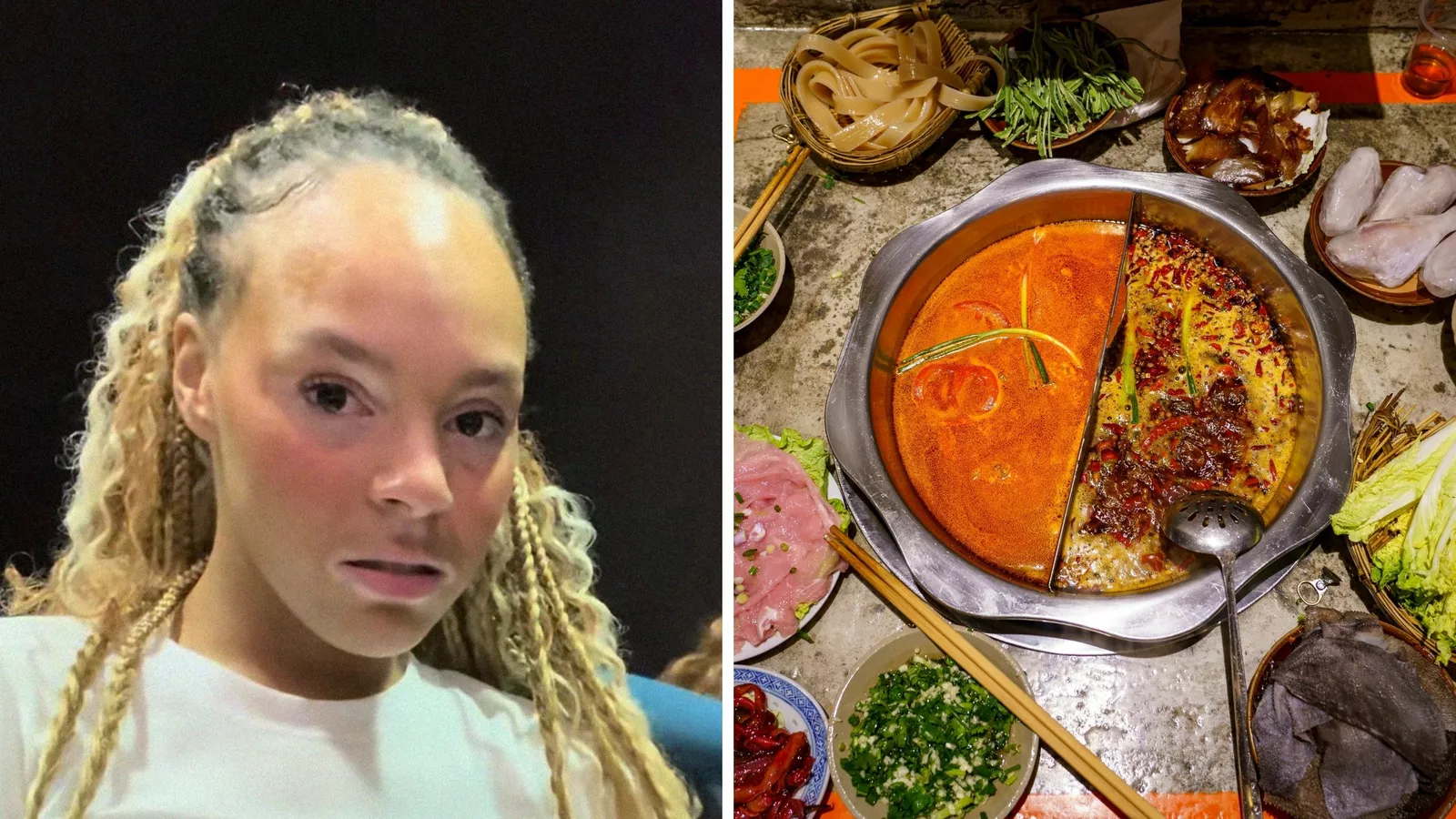
In a TikTok video likely to be familiar to hotpot enthusiasts everywhere, Mimi (@mimifrac) held up a very much alive, wriggling shrimp next to the roiling, seasoned pot. Her expression was a perfect mix of surprise and horror. “POV: your first time at hotpot and you didn’t know the shrimp would be alive,” reads the on-screen caption. It is a sentiment that’s resonating with viewers who thought their seafood would (or at least should) arrive somewhat… subdued.
Filmed from Kungfu Hotpot in Philly’s Chinatown area, the short clip shows her picking up a live shrimp, as would be customary at these establishments, and, frankly, the shrimp is probably upset that it will be cooked momentarily.
The comments section was littered with people who believe this practice is inhumane.
“I will never understand why people think it’s okay to cook seafood alive,” they said. “We don’t do that to any other animal. People say it tastes better but bro there’s no way that killing them 30 seconds in advance is gonna ruin the flavor.”
Hotpot’s origins are long debated. Some gastro-scholars credit Mongol warriors who allegedly cooked meat in their helmets over campfires more than 1,000 years ago. Others point to boatmen along the Yangtze and Jialing rivers around Chongqing. They developed it as a cheap and efficient cooking method.
Chinese poet Zuo Si referenced Sichuan hotpot as far back as the third century CE in his “Rhapsody of the Three Capitals.”
The first hotpots in the United States arrived in the country’s first Chinatowns, in San Francisco and New York City, through community associations and home gatherings. From the Gold Rush era onward, Cantonese immigrants almost certainly ate versions of hotpot (or da bin lo in Cantonese), particularly during winter festivals.
Cecilia Chiang made Mongolian Fire Pot (a classic Northern-style of hotpot) a more luxurious experience in the early 1960s. The Mandarin opened in 1961 in San Francisco and moved into Ghirardelli Square in 1968. It closed in 2006, but not before inspiring hundreds of hotpot restaurants across the United States.
As in Mimi’s TikTok clip, mala hotpot usually includes a meat of some kind. The meat is accompanied by a boiling pot of Sichuan peppercorns, dried chilis, and beef tallow. But it can also have fermented bean paste (Pixian doubanjiang), fermented black beans, garlic, ginger, star anise, and cinnamon.
So those fresh shrimp in her bowl will end up incredibly flavorful and spicy.
In 2024, Yahoo! reported that a woman at a Chinese hotpot restaurant tried to cook a live mantis shrimp by picking it up by its antenna. This was a mistake. Mantis shrimp are nicknamed “thumb splitters” due to their powerful club-shaped appendages, which they use to attack.
You can probably guess what happens. The crustacean fought back, latching onto the woman’s wrist with one appendage and piercing her left finger when she tried to pull it off.
AllHipHop reached out to Mimi via TikTok direct message and comment, and Kungfu Hotpot by phone. This story will be updated upon response.
@mimifrac I ain’t expect it to do allat now #hotpot #fyp #foodie #seafood ♬ My little chompers – idiot



 Loading ...