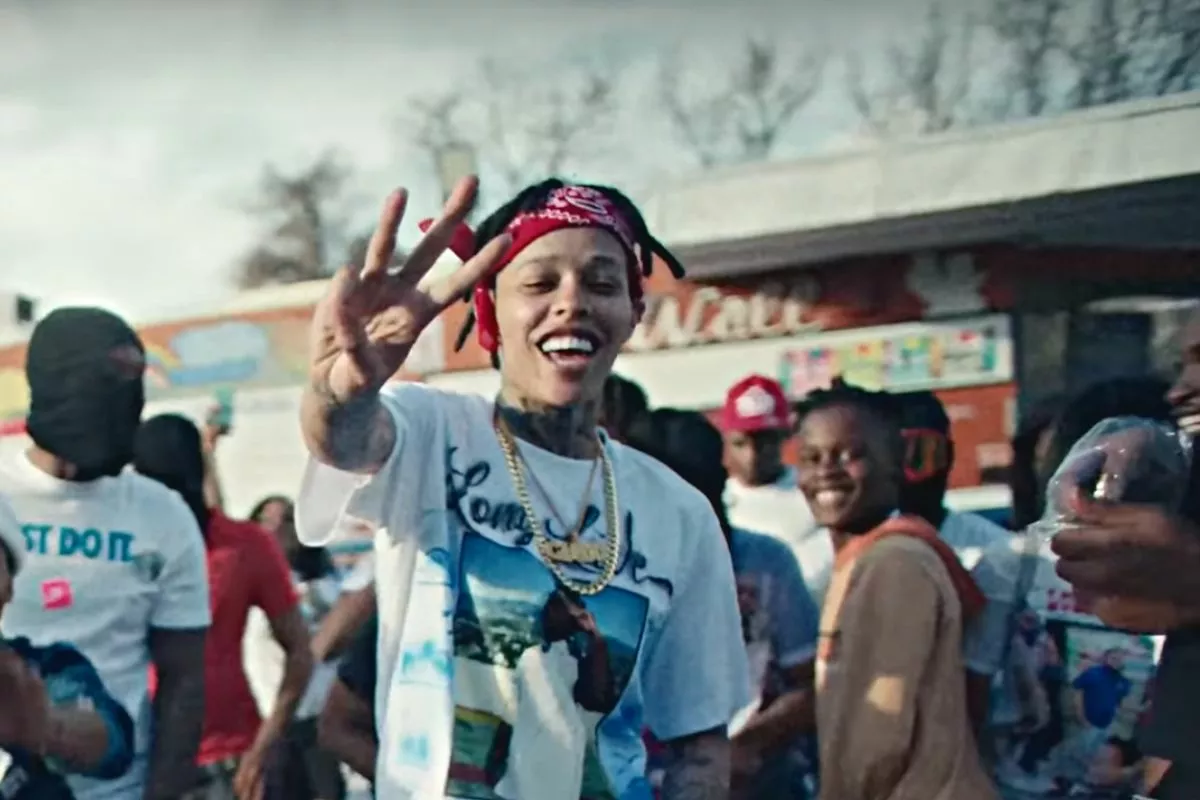
OMB Bloodbath walked out of a Houston federal courthouse Tuesday night with something she hasn’t had in years: hope.
The Houston rapper just dodged a life sentence when her federal murder trial ended in a mistrial. After 20 hours of deliberation across three days, 12 jurors couldn’t agree whether she orchestrated a 2017 Third Ward shooting that killed an innocent man.
That deadlock might be her ticket to freedom.
Federal prosecutors now face a tough choice. They can retry Nicks and co-defendant Shaquile O’Neal Richards on racketeering charges, or they can walk away from a case that’s already cost taxpayers millions.
Mistrials can lead to plea deals or dropped charges, especially when the first jury couldn’t reach a consensus.
The October 2017 drive-by shooting on London Street was supposed to target Young Street Block gang members. Instead, bullets struck Sam Johnson, a 53-year-old convenience store clerk walking home from work.
Three gunmen already been convicted of Johnson’s murder. But federal prosecutors argued Richards and OMB Bloodbath were the masterminds, using Instagram messages and jail phone calls to coordinate the hit.
The case hinged on thousands of digital communications between gang members. Prosecutors claimed the messages showed OMB Bloodbath organizing logistics while Richards, described as her “big brother” in the gang, gave orders from his jail cell.
Defense lawyers attacked that narrative hard. They argued the shooting would’ve happened anyway as part of an ongoing gang war that had nothing to do with their clients.
The prosecution’s case took a major hit when convicted gunman Marquis Erskin testified he acted alone. Erskin, already serving decades in prison, told jurors neither defendant directed him to shoot.
Prosecutors called it a lie to protect fellow gang members. But that testimony clearly resonated with some jurors.
Under federal law, prosecutors can retry defendants after a mistrial caused by jury deadlock. The Fifth Amendment’s double jeopardy clause doesn’t apply because no verdict was reached.
However, retrial isn’t automatic. Prosecutors must weigh several factors: the strength of the evidence, the likelihood of conviction, the cost of another trial, and whether justice demands it. So, the government might cut a deal rather than retry the case.
OMB Bloodbath was an up-and-coming rapper with a record deal through Interscope Records before her arrest.
Songs like “Bloodbath” and “Third Ward” detailed her experiences growing up in Houston’s roughest neighborhoods. That authenticity helped her music career, but became evidence in her federal case.
Both defendants remain in federal custody while prosecutors decide their next move.



 Loading ...