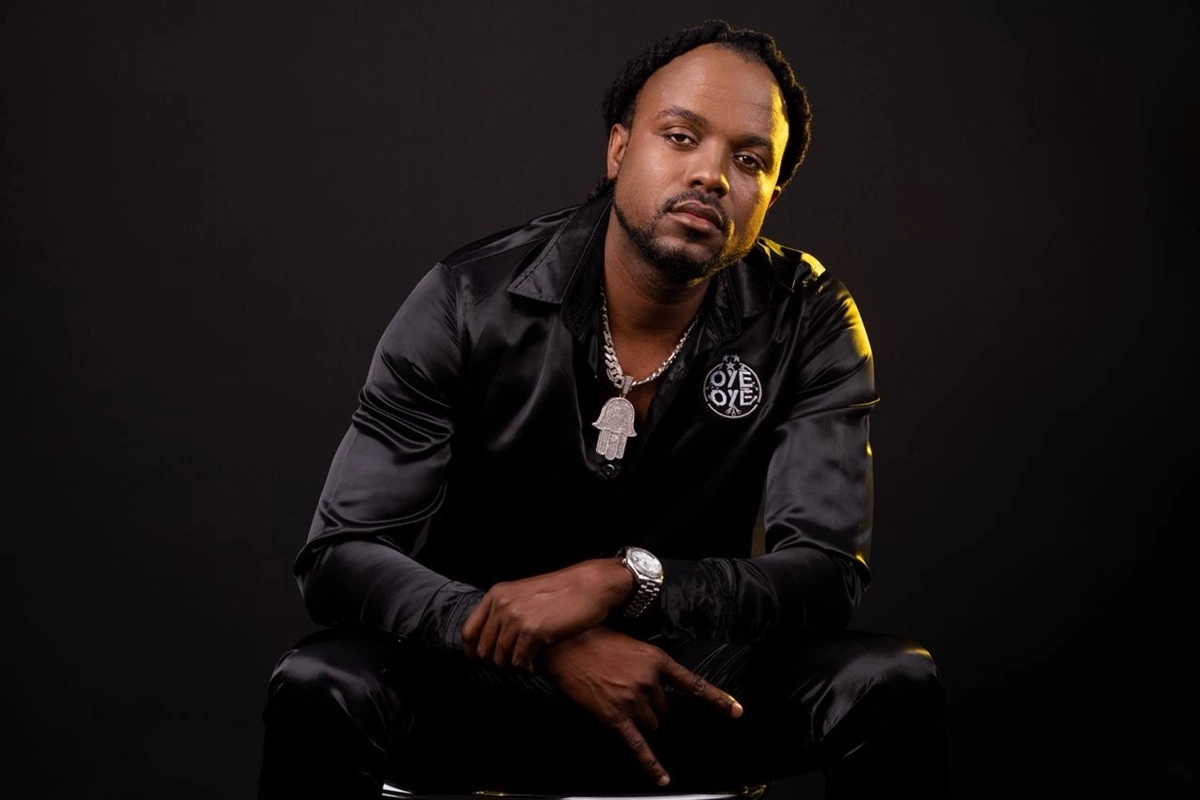
In a world where artists often chase charts and headlines, Izolan has built something bigger — a legacy rooted in culture, community, and real-world impact. Known for helping shape Haiti’s Rap Kreyòl movement, the rapper has evolved into far more than a music star. Today, he stands as a symbol of leadership, resilience, and action — proving that hip-hop can be both a soundtrack and a solution.
Long before Haitian hip-hop gained global attention, Izolan was already laying its foundation. Rising in the early 2000s as a standout member of Barikad Crew, he helped bring Haitian Creole rap into the mainstream by blending raw street storytelling with powerful social commentary.
The group’s success wasn’t just about music — it was about representation. Their lyrics captured the realities of everyday Haitians navigating economic hardship, political tension, and the hope for something better. For many fans, Izolan’s voice wasn’t just entertainment; it was reflection, truth, and motivation.
As his solo career expanded, so did his influence. His albums showcased sharp lyricism and deep cultural pride, reinforcing his reputation as one of Haiti’s most authentic and respected voices.

While many artists talk about giving back, Izolan built a reputation for quietly making real change.
Over the years, his community-focused efforts have touched multiple areas of life in Haiti — from health care to safety to economic support. During the COVID-19 pandemic, he helped organize fundraising efforts for a health center in his hometown of Arcahaie and donated an ambulance to strengthen emergency response. He has also supported local law enforcement by donating motorcycles, improving mobility and response times in communities that often lack resources.
Even smaller gestures made headlines: in moments of unrest, he stepped in to help struggling street vendors and everyday citizens, showing that his commitment isn’t about image — it’s about impact.
His latest initiative may be one of his most powerful yet.
Izolan recently donated one million gourdes to support the rehabilitation of the Haiti Christian Orphanage through the Fondation Cœur et Amour. The funding is helping renovate facilities, improve safety, and create better living conditions for children facing some of Haiti’s toughest realities.
But the donation wasn’t just a one-time gesture. Izolan has publicly called on fellow artists, citizens, and members of the Haitian diaspora to join the movement — pushing for collective action to ensure the orphanage’s transformation becomes lasting and meaningful.
In a nation where children are often the most vulnerable to instability and poverty, efforts like this carry weight far beyond headlines.
For international audiences — especially in the U.S. — Haiti is often seen through the lens of crisis. Izolan flips that narrative. His story highlights something different: the power of culture to mobilize change.
By connecting music with philanthropy, he shows how artists can become bridges between local struggles and global support. His influence resonates not only inside Haiti but across diaspora communities who see him as proof that success doesn’t mean leaving your people behind — it means lifting them with you.
Izolan’s evolution from rapper to community leader reflects a larger shift happening in global hip-hop. Artists today are expected to stand for something — and Izolan delivers on that expectation with consistency and authenticity.
His music tells the story of Haiti’s challenges and triumphs. His actions help shape what comes next.
And as his influence continues to grow, one thing is clear: Izolan isn’t just making hits — he’s helping rewrite the future of a nation.
https://www.instagram.com/izolanofficial?igsh=MzAzbGQyY250a3lu



 Loading ...