
An Austin-based woman posted a video criticizing the aesthetic that she says is growing rampant throughout the city. Her analysis left viewers divided.
On Nov. 21, TikTok creator Greta Devereaux (@greta.d##) posted a video responding to a criticism she heard from a different creator.
“I saw this guy make a video about how there are all these copycats in Austin that wanna look like influencers,” she said. “They have the stupid haircut, the stupid tattoos, they all wear the same activewear all the time. And not only is it true, but there’s also a girl version of this.”
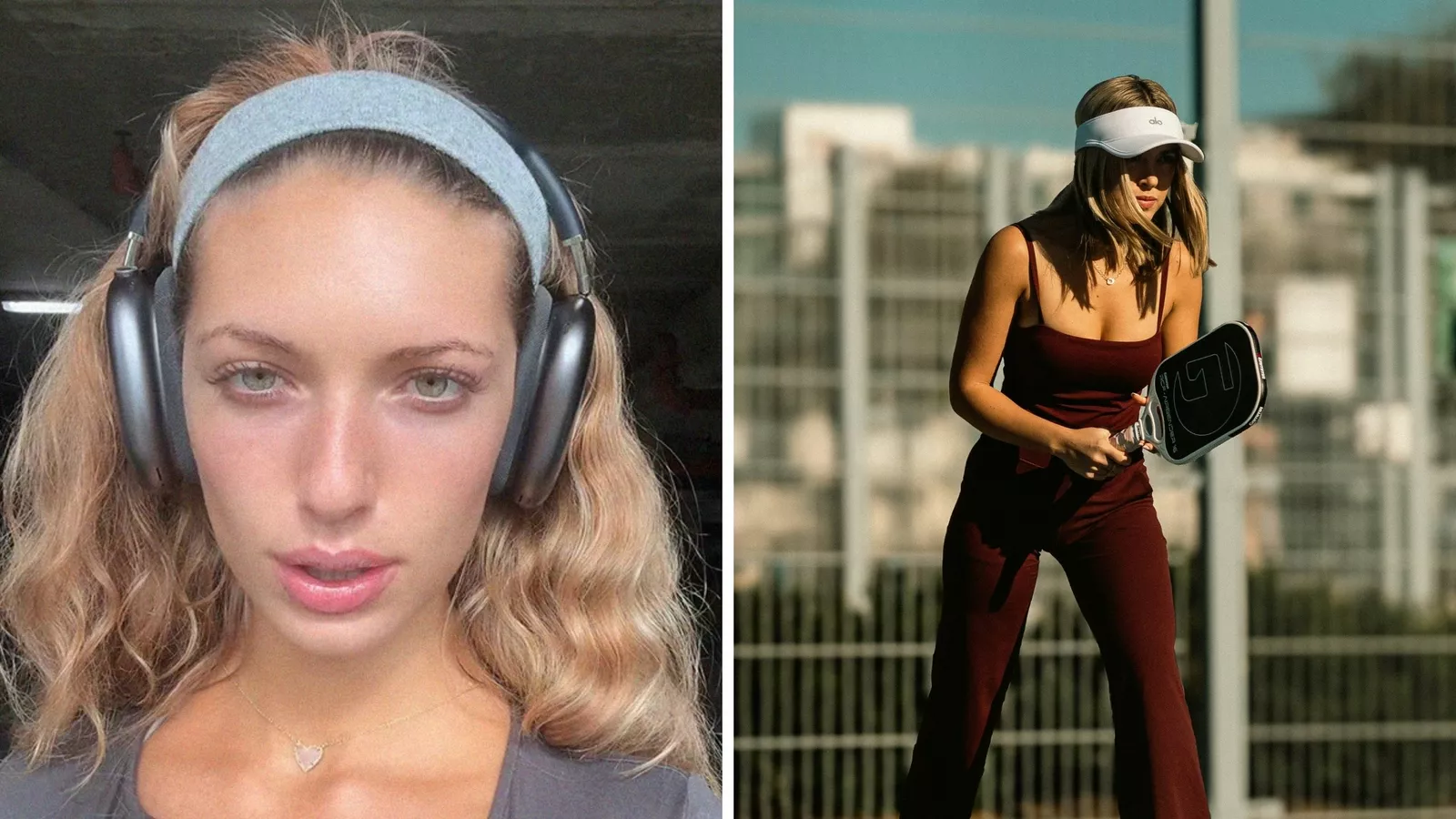
Devereaux gives an in-depth explanation of what she believes comes with this aesthetic that she associates with these women, with a text overlay reading, “The epidemic of ‘clean girl’ copy & pastes in Austin.”
“It’s like these girls that are super polished all the time, ” she said. “They’re always in a slick back or their hair is professionally done. They’re always wearing a monochromatic activewear set from like CSB or Alo or Define. They have like glowy clear girl makeup and a pair of like gold hoops. They have quite a bit of lip filler, too.”
However, after giving an in-depth visual of this aesthetic, she added a scathing criticism. “And I think most importantly, none of these people, girls or guys, have much personality.”
The “clean girl” aesthetic emerged on TikTok and Instagram around 2021 and has since become a dominant look in many cities with active influencer cultures. At its core, the aesthetic is associated with minimalism, polish, and an aspirational level of effortlessness.
The trend is often characterized by slicked-back buns, perfectly fitted neutral workout sets, dewy skin, minimalist gold jewelry, and looking effortlessly put-together despite the fact that it oftentimes requires significant time, money, and intentional effort.
Brands like Alo, Lululemon, Skims, and Set Active have shaped the visual language of the trend. That helped to standardize the uniform now recognizable in gyms, coffee shops, and co-working spaces across the country.
The look has also become intertwined with a broader lifestyle aspiration around productivity, wellness, discipline, and a curated sense of restraint. Online, “clean girl” often overlaps with routines centered on green juices, hot yoga, cold plunges, and color-coded planners.
It’s less about any one piece of clothing and more about an overall presentation that signals control, tidiness, and an almost aspirational adulthood. Critics argue that part of why the aesthetic caught on so quickly is that it offers an archetype that feels safe and digestible.
Deveraux’s video elicited a divided reaction. Many defended the trend and said that people should be allowed to dress how they want.
“Why can’t people look and dress the way they want to without being criticized?” asked one commenter.
“I think it’s OK for people to do what they want and wear what they want!” added another.
However, many comments agreed with Devereaux’s take. Others said they feel as if that lack of personality is taking over a city once known for being “weird.”
One person wrote, “Yes, but also I think it’s OK to bemoan the slow death of individuality that we’re witnessing happen in real time. Nobody does what THEY like anymore. It’s just what’s trendy.”
“Austin is so boring now. I miss when Austin was lowkey ratchet,” wrote one commenter.
“Over the last five years, Austin’s developed its own scene for people who just moved here and watch Instagram lifestyle vlogs a lot,” said one commenter. “There’s a lot more scenes here in art, music, fashion, raves, outdoorsy granola vibes, or even country vibes if you go outside the city.”
The tension highlighted in Devereaux’s video mirrors a larger debate playing out in other rapidly growing cities about whether social media–driven aesthetics are flattening local culture. As places like Austin, Nashville, and Denver experience influxes of young professionals, long-time residents say that neighborhoods once known for their eccentricity now feel dominated by near-identical, Instagram-friendly looks and lifestyles.
For some, the “clean girl” trend is simply a fashion choice, but for many, it’s a symbol of sameness.
All Hip Hop reached out to Deveraux for comment via TikTok direct messages.
@greta.d## #austintx #austin #austintexas ♬ original sound – Greta



 Loading ...