
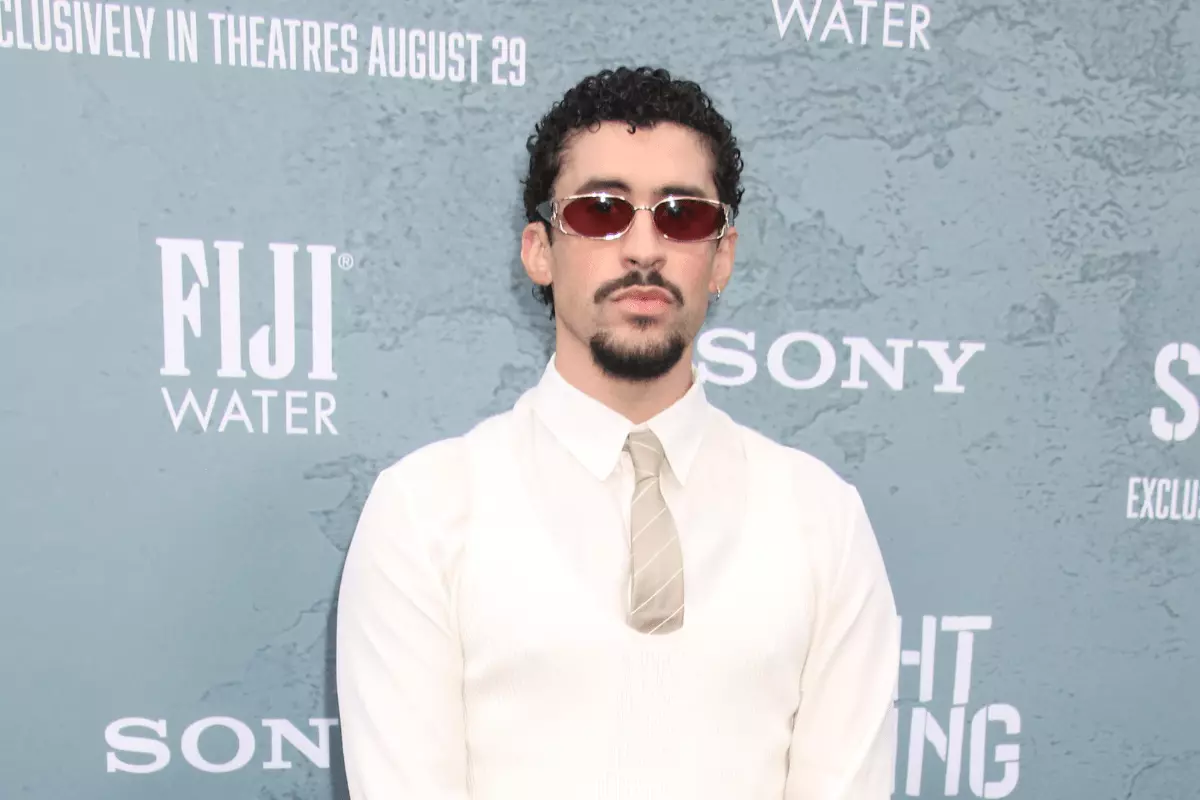
Bad Bunny drew a massive television crowd and redefined halftime expectations at Super Bowl LX as early reports from NBC and Parade show his performance pulled 135.4 million viewers, eclipsing Kendrick Lamar’s 133.5 million from 2025. The numbers mean a new peak for Super Bowl halftime audiences is here.
The Puerto Rican megastar’s performance in Santa Clara became a cultural event that captured attention across the United States and around the world. With millions tuning in across broadcast television and streaming platforms, the halftime show proved that big game audiences want spectacle energy and headline-making performances.
The show overshadowed the game in a lot of ways.
Bad Bunny’s set leaned into his global hits and high-energy choreography. The performance delivered rapid costume changes and visual flourishes that kept social feeds buzzing through the night. Moments from the show trended on TikTok, Twitter (X) and Instagram.
This surge in viewership shows just how powerful the halftime show has become. It was once just a musical break. It now stands as one of television’s most watched live entertainment slots. In recent years, essentially since Jay-Z’s Roc Nation partnered with the league, halftime talent has ranged from pop icons to rap royalty. Bad Bunny’s massive numbers, along with past data, suggests strongly audiences are embracing diversity in sound and style.
Bad Bunny’s appointment to the stage brought a large swath of new eyes to the broadcast.
Super Bowl ratings traditionally dip during halftime as some viewers use the break to grab snacks. But this year those habits flipped. Viewers stayed glued or even tuned in specifically for the halftime show. That shift underscores how entertainment value has grown in the sports broadcasting landscape.
Some industry watchers already compare the trajectory of halftime viewership to major award shows. As more viewers stream on mobile devices and smart TVs live programming retains its draw because of shared cultural moments. Bad Bunny’s record numbers suggest halftime presentations are now anchor points in the yearly entertainment calendar.
In stark contrast, the viewership for the Turning Point USA halftime show was initially thought to be five million people. However, according to reports, that number is currently unraveling. There have been newfound revelations that that millions of their viewers were paid bots. Newer estimates place their total legitimate viewership at one million.



 Loading ...