Inside a Square Transformer Factory operated under the name Nbcbdz, production follows a path shaped by order, structural planning, and material coordination. Instead of relying on bold promotional phrases, the focus remains on measured decisions that support stable component behavior. This approach resonates with engineers building power modules, distribution units, industrial tools, and devices where geometric clarity matters as much as electrical function. By anchoring each step in predictable process flow, the factory environment supports systems that depend on balance, repeatability, and steady long-term behavior.
Square-format transformers bring distinct considerations. Their form influences heat distribution, mounting arrangement, and how surrounding components route cables or airflow. A manufacturing style that prioritizes structural consistency allows designers to use these transformers in crowded panels, compact products, and standardized equipment frames without repeatedly revising mechanical layouts. This alignment between geometry and engineering intent helps reduce development friction during early design stages.
Winding structure is equally influential. Winding layers, spacing, and coil orientation affect noise tendencies, voltage steadiness, and interaction with nearby circuits. Treating winding design as a deliberate craft strengthens predictability, especially for equipment expected to maintain stable output under varied loads. Engineers benefit from transformers that react calmly rather than sharply to shifting operating conditions.
Material coordination also shapes performance. Steel laminations, insulating films, and conductive materials must share long-term compatibility. A production method centered on material harmony encourages the component to maintain its electrical characteristics over time, limiting drift caused by environmental shifts or repeated thermal cycles. This steadiness is essential for products intended for continuous use.
Attention to inspection contributes to clarity. Instead of relying solely on final testing, stepwise evaluations accompany key points of assembly. Early detection of irregularities prevents small issues from progressing through the production chain. For engineers integrating the final transformer, this translates into reduced rework and a smoother installation process.
Mechanical design remains another practical element. Square transformers often appear in equipment where spacing is predetermined and alternative shapes complicate arrangements. By offering forms that align with common panel designs, the production approach shortens mechanical planning time and minimizes structural adjustments. This provides designers with confidence that the transformer will fit existing design frameworks.
Thermal behavior must also be addressed with balance. Square bodies influence how heat settles and dissipates across surfaces. Reviewing these patterns ensures that the component behaves predictably during sustained operation. Engineers depend on consistency rather than sporadic changes, particularly when transformers are placed near heat-sensitive electronics.
Overall, the philosophy behind this production style values measured development, structural clarity, and a calm approach to engineering challenges. Rather than seeking abrupt changes or dramatic claims, it supports components built to behave as expected, allowing systems to operate with steady purpose.
If you want to see how thoughtful structure and grounded manufacturing meet in a single place, take a step toward https://www.nbcbdz.com/ and let curiosity guide your next click.

 Nbcbdz11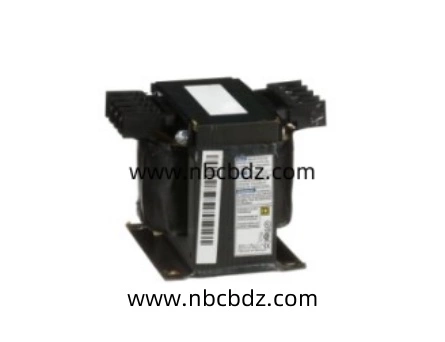





 Loading ...


