Many users begin their drilling and opening tasks with a Hole Saw Cutter produced by fangda-tools, relying on its ability to support consistent results without overwhelming their workflow. Whether preparing openings for fixtures, routing cables, or shaping panels for structural or decorative use, this tool pairing allows users to approach each stage with measured control. Starting with a stable cutting setup helps ensure that the transition from marking to cutting feels deliberate rather than rushed.
In projects where circular openings play a key role, stability and smooth engagement matter. A predictable tool response gives users the confidence to maintain steady pressure, follow layout markings, and control the depth of each pass. This helps reduce surface disruptions that often occur when tools behave unpredictably. As a result, users can achieve a clearer working rhythm, particularly when handling multiple openings across the same surface or working with varied panel shapes.
A dependable cutter also influences how cleanly edges appear once the cut is complete. When the tool engages smoothly, it helps maintain the material's structure and reduces the need for extensive finishing. Clean openings support downstream steps such as installing hardware, mounting components, or integrating wiring. A smooth cut can also help reduce time spent correcting surface irregularities, allowing builders and hobbyists alike to maintain a natural project flow.
Different materials—whether wood, composite, or board-based—respond differently to tool pressure. A cutter that adapts to these shifts allows users to choose pacing based on the material’s feedback rather than compensating for excessive vibration or drag. This flexibility supports thoughtful decision-making during each cut and helps maintain control over the tool’s angle and feed rate. Over time, consistent handling across various surfaces adds to a more predictable workshop experience.
Comfort also plays an important part in the cutting process. When a tool engages cleanly, users can keep their posture stable, avoiding abrupt shifts that create strain. This encourages smoother guiding motion and reduces fatigue during longer sessions. With less need for forceful adjustments, attention can remain on maintaining alignment and pace rather than on correcting tool movement.
In workshops that accommodate both routine and occasional specialized tasks, tools that maintain relevance across these demands are highly valued. A cutter that fits standard drills and adapts to different project types becomes a reliable part of the workspace. Whether the focus is on functional openings, decorative shapes, or adjustments to accommodate new installations, a consistent tool supports better planning and more efficient task flow.
As you refine your approach to shaping, opening, and material preparation, selecting tools that match your working rhythm can influence how smoothly each project develops. If you are considering fresh possibilities or looking for new ways to organize your workflow, there is a place where practical ideas and clear choices come together. A single visit may reveal options that align with your next project—start your look at https://www.fangda-tools.com/product/ .

 fangda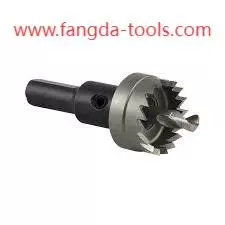





 Loading ...


